

You hear these terms thrown around all the time in real estate; buyer confidence, consumer sentiment, market confidence.
But are they the same thing?
Short answer. Not exactly. Even though people often use them interchangeably.
Understanding the difference between these terms can help buyers and investors make more informed decisions, rather than reacting to clickbait headlines or sensationalised commentary.
What Is Consumer Sentiment?
Consumer sentiment is a broad economic measure. It reflects how people feel about their personal finances, job security, the overall economy, and whether now is a good time to make major purchases.
In Australia, this is commonly tracked through the Westpac–Melbourne Institute Consumer Sentiment Index. This monthly survey asks households a series of questions and converts their responses into a single score.
This measure isn’t specific to property. It reflects how people feel about spending in general. Whether that’s buying a car, renovating a home, or taking a holiday.
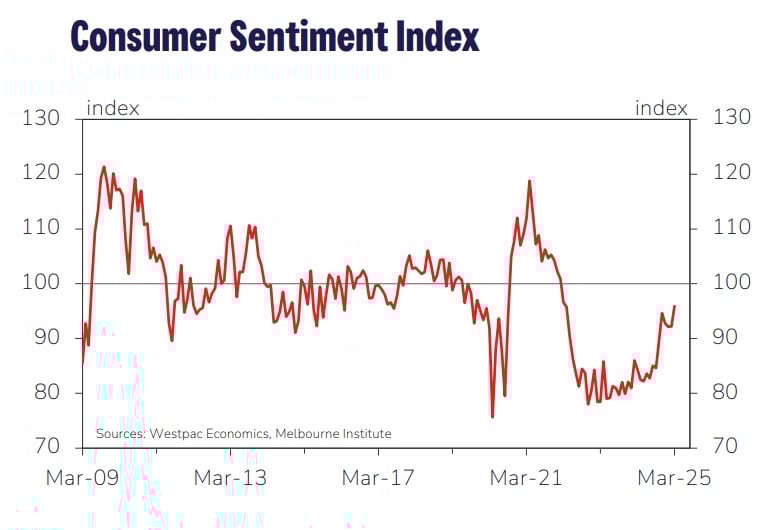
Generally in prominient consumer sentiment indices, 100 acts as the neutral baseline separating optimism from pessimism.
Above 100 indicates that optimistic consumers outnumber pessimistic ones and a potential growth in consumer spending. Whilst below suggest decreased confidence and a potential decline in consumer spending.
What Is Buyer Confidence?
Buyer confidence is more property specific. Unlike consumer sentiment, it’s not usually captured by one official index.
Instead, it’s inferred from actual market behaviour, such as:
- Buyer enquiry levels
- Open-for-inspection attendance
- Auction clearance rates
- Days on market
- Finance approvals
- The competitiveness of offers
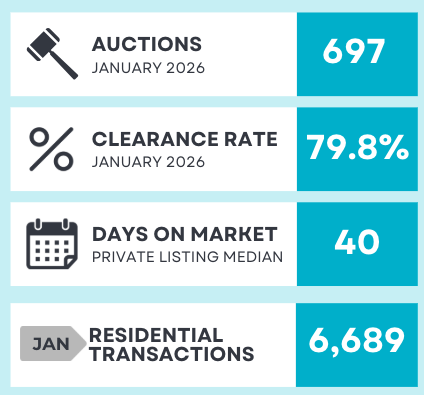
Consequently when these indicators improve, commentators often say “buyer confidence is rising.” What they really mean is that more people are actively participating in the market and are willing to commit to long-term decisions like purchasing property.
How the Two Are Connected
Consumer sentiment and buyer confidence are closely related, but they are not identical.
Consumer sentiment measures how people feel.
Buyer confidence shows what people actually do.
For example, sentiment may improve because interest rates stabilise or employment remains strong. As people begin to feel more secure, they’re more likely to attend inspections, apply for finance, and make offers. That’s when buyer confidence becomes visible in the market.
So, when analysts talk about rising buyer confidence, it’s usually based on a combination of factors:
- Improving consumer sentiment
- More buyers attending inspections
- Stronger auction results
- Increased competition for quality properties
Why the Difference Matters
For buyers and investors, it’s important not to rely on just one indicator.
Consumer sentiment can change quickly in response to news headlines, interest rate announcements, or global events. But buyer confidence tends to move more slowly because purchasing property is a major, long-term decision.
That’s why experienced investors watch both:
- Sentiment to understand the broader economic mood
- Buyer behaviour to see what’s actually happening on the ground
When both are improving at the same time, it often signals strengthening market conditions.
The Bottom Line
These terms are related, which is why they’re often used interchangeably in media commentary. But they’re not the same thing.
- Consumer sentiment tells you how people feel about the economy.
- Buyer confidence is revealed through real-world property activity.
Smart buyers and investors (and Buyer Agents!) look at both measures to get a clearer picture of where the market may be heading.
Contact Us
We’re happy to answer any questions you may have or you can simply request we catch up for a free, no obligation meeting to discuss your needs.