

One month on, has reserve disclosure changed Melbourne auctions?
It’s been a month since the first auction under Victoria’s new rules, which require vendors to publish their reserve at least seven days out. So what have we learned?
Weekly Update
16th of November, 2026
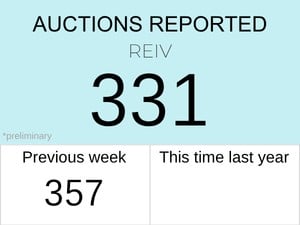
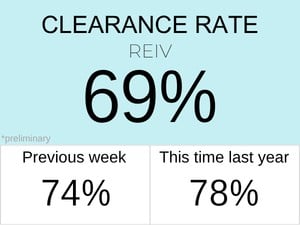
This weekend’s preliminary clearance rate was 69%, down from 74% last weekend and well below 78% this time last year. Of 646 auctions scheduled, 331 reported a result to the REIV. Of those, 228 sold and 103 passed in, 41 of them on a vendor bid.
But it’s not all quiet. We’ve seen strong competition at auctions where the reserve was disclosed, which suggests that when a property is priced well, buyers still show up and bid.
The open question is what transparency does to behaviour. Some buyers like knowing where vendors stand. Others in the industry worry vendors will skip auctions and push more sales into private negotiation.
Not all the action is happening on auction day
Of the 228 sales this weekend, 87 happened before the auction even began. That’s 38%.
We’ve seen it first-hand. Vendors are open to pre-auction offers, and we’ve negotiated a number of deals for our buyers in the seven days before auction.
What’s fascinating is watching agents adapt in real time. We’ve participated in an online “open negotiation” that was not an auction!
We’ve also seen properties listed as EOI or private sale with a set date, then switched to auction just days after the deadline if competition has built. The reserve is published seven days before the deadline, so the disclosure window is already covered and an auction can be called quickly if interest justifies it.
Beyond auctions
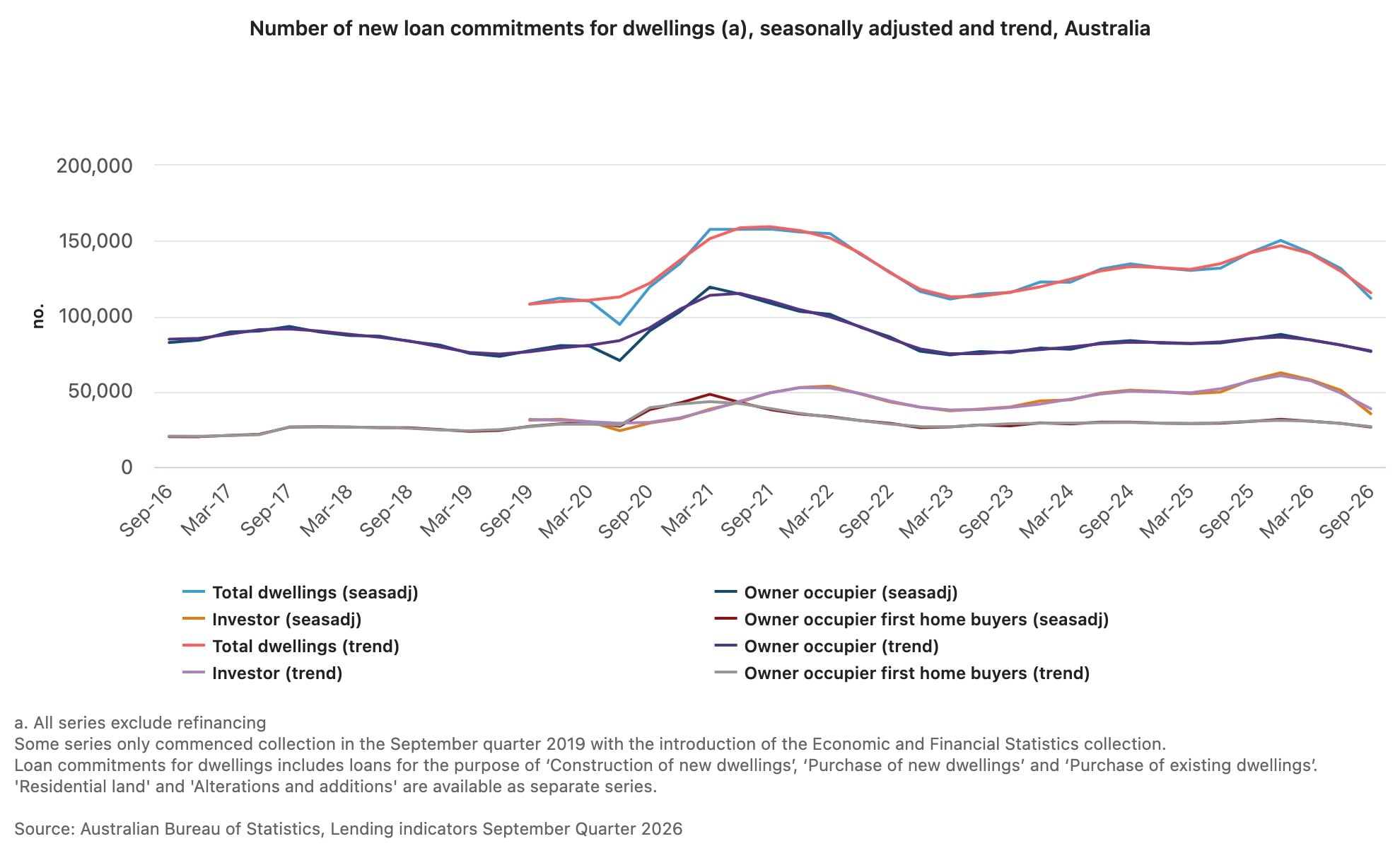
The latest national ABS data shows the value of new home loans fell 15.5% in the September quarter. Investor lending value dropped 32.3%, and first home buyer loan numbers fell 8.6%, leaving them 12.3% lower than a year ago. Fewer buyers with less borrowing power means less competition, whatever the reserve rules say.
What it means for you
Buyers: A published reserve is a guide to the vendor’s minimum, not the final price. Use it to plan your budget early, but be ready for a result above or below it. With less competition around, there may be more room to negotiate.
Vendors: Setting a reserve a week ahead takes real confidence in your pricing. In a market that can shift quickly, that call matters more than ever.
Auctions Data: reiv.com.au